Link copied
US Ends Hormuz Blockade, Downplays Tolls as Negotiations Restart.
general :: 5hrs ago :: source - bloomberg
By Jennifer A. Dlouhy, Omar Tamo and Eltaf Najafizada
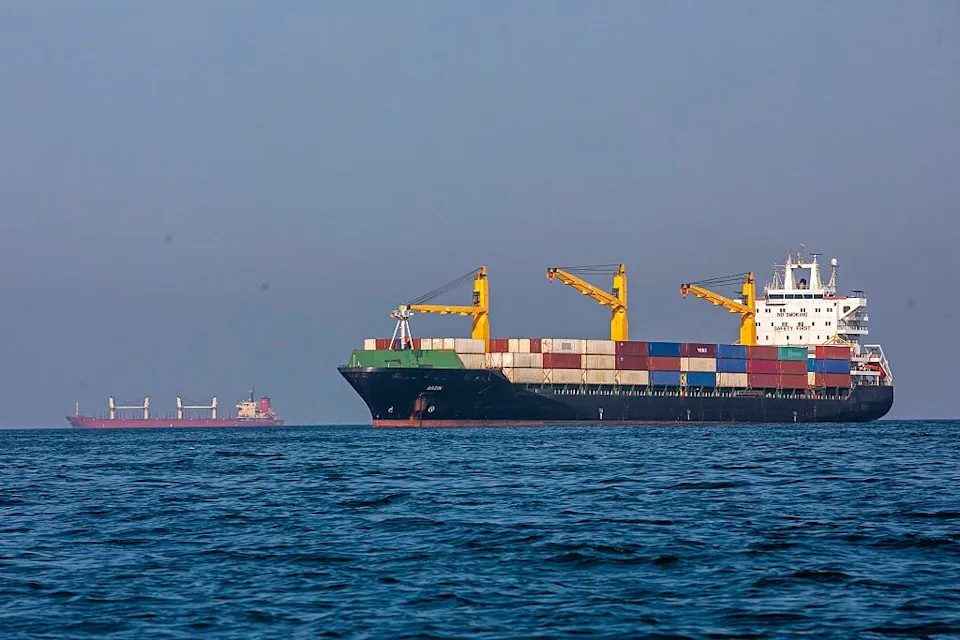
(Bloomberg) -- The US-Iran interim peace deal took effect and shipping started returning to the Strait of Hormuz as the US declared an end to its blockade and a complex negotiating period over Tehran's nuclear program began in earnest.
Most Read from Bloomberg
US Vice President JD Vance told reporters Thursday at the White House that the 60-day clock for working out the contentious details in the so-called memorandum of understanding signed late Wednesday had started ticking.
He downplayed concerns Iran could eventually impose tolls on traffic through the Strait of Hormuz, a move that would turn the crucial transport chokepoint — widely considered international waters — into a moneymaker for Tehran.
"Well, first of all, we believe international waterways should be free of tolls," he said, noting that the countries in the region "together will figure out a proper security framework for the straits in the future."
If the strait is not open, Vance added, "there's not going to be a final deal."
Oil fluctuated between gains and losses on Thursday, with Brent closing under $80 a barrel. It's still down from close to $95 since Trump said late last week that a deal was imminent.
Still, oil remains roughly 30% higher for the year, with energy traders saying it will take months, if not longer, for volumes of oil and liquefied natural gas going through Hormuz to return to normal.
As the two sides begin to stake out negotiating positions for the next phase of talks, Trump and Vance sought to brush back criticism — including from their political allies — that Iran had gotten the better of them in the initial memorandum.
Asked in an interview with Axios what he'd learned about limits to his power from the military operation, Trump said "there are no limits." He reiterated claims that the US "defeated them totally militarily" and said the memorandum "probably is unconditional surrender" from Iran.
Yet Trump for a second day reiterated that global oil pressures informed his decision to sign on to the deal that he did. "We wouldn't have oil for months. As long as you're dropping bombs, that thing is automatically closed," Trump told Axios, referring to the strait. He also warned in the interview that a prolonged closure "is the kind of thing that could cause a worldwide depression."
Earlier Thursday, the US president posted on social media that "oil is flowing," hours after signing a memorandum of agreement to extend a ceasefire and begin negotiations to end the conflict he started alongside Israel at the end of February. Iran's closure of the strait spiked energy prices, raised the risk of a global economic crisis, and led to chaos across the Middle East.
US Central Command announced Thursday that it had lifted the blockade on traffic to and from Iranian ports and coastal areas.
"American forces are not impeding the transit of vessels to or from Iranian ports on the Arabian Gulf and Gulf of Oman," the command said in a social media post.
Ships carrying stranded oil began making their way out of the Strait of Hormuz on Thursday, while Kuwait said it will start ramping up production, as the peace deal sparked a flurry of activity in the region. Vessels carrying nearly 10 million barrels of oil have either appeared outside the strait or are sailing through, including the first Saudi-owned tankers since the war began more than three months ago.
Iran said commercial vessel traffic at southern ports had returned to normal since Monday, according to the semi-official Iranian Students' News Agency.
Many shipping and oil executives had previously said they need more clarity, including on whether the strait is clear of mines and whether they need to seek any kind of permission from Iran before sailing through.
Iran hawks, including some Republican allies of Trump, say the deal concedes far too much to the Islamic Republic in terms of sanctions relief and potentially unfreezing tens of billions of dollars of funds. Some of them have said it is no better than the Obama administration's 2015 nuclear deal that Trump had called the "worst deal ever."
"Specifically, the $300 billion fund for the reconstruction and economic development of Iran – though not funded by US taxpayers – would make Iran's payoff under President Obama's 2015 deal look like a pittance by comparison," Mississippi Senator Roger Wicker, chairman of the Senate Armed Services Committee, said in a statement.
The deal has also been widely panned in Israel, with many, including some members of Prime Minister Benjamin Netanyahu's government, arguing that it gives too many financial concessions to the Islamic Republic and doesn't do anything to curb its ballistic missile program.
Asked about Israeli pushback, Vance suggested officials consider that the US is Israel's strongest friend.
"If I was in the cabinet of the Israeli government, I might not be attacking the only powerful ally that I have anywhere left in the entire world," Vance said.
For his part, Trump has become more frustrated with Netanyahu in recent weeks, swearing at him on calls and saying Israel's airstrikes on Lebanon's capital almost scuppered his deal with Iran.
On Thursday, when the US president was asked by Israel's Channel 14 if he would defend Israel if it opted to strike Iran on its own, he said: "If it's not a significant attack — sure."
According to a copy of the memorandum of understanding published by Iran's President Masoud Pezeshkian on X on Thursday, Iran will arrange passage of commercial ships through the strait with "no charge for 60 days only" and traffic is to be reinstated "within 30 days."
Iran will hold talks with Oman to define the future administration and maritime services of the Strait of Hormuz, which will be in line with "applicable international law and the sovereign rights of coastal states" of the Persian Gulf, according to the agreement.
It was unclear if Vance would still meet Iranian Parliament Speaker Mohammad Bagher Ghalibaf, Iran's lead negotiator, in Switzerland on Friday for negotiations to permanently end the war as planned.
During the 60-day negotiation, the sides will try to agree on restrictions on Tehran's nuclear program and how to dilute or destroy its stocks of highly enriched uranium. Many nuclear experts say 60 days is too short to work out something so complex and technical. The agreement does say the time frame can be extended.
The 2015 nuclear deal, which Trump derided and abandoned during his first term, took about two years to finalize.
--With assistance from Catherine Lucey, Devika Krishna Kumar, Paul Wallace, Ellen Milligan, Jon Herskovitz and Michelle Jamrisko.
(Updates with Trump comments on deal from eighth paragraph.)
Most Read from Bloomberg Businessweek
This week top market trends.
-
SpaceX sets $135 IPO price ahead of Friday Nasdaq debut
2026-06-12 :: stock :: yahoo finance -
Stocks reel from a coming rate hike -- and brace for a huge IPO: What to watch this week
2026-06-08 :: stock :: yahoo finance -
Walmart delivers another strong quarter result
2026-05-21 :: companies :: apnews
Recent global market news
-

What is a bull market? Definition, examples, and investment strategies
2026-06-07 :: :: yahoo finance -
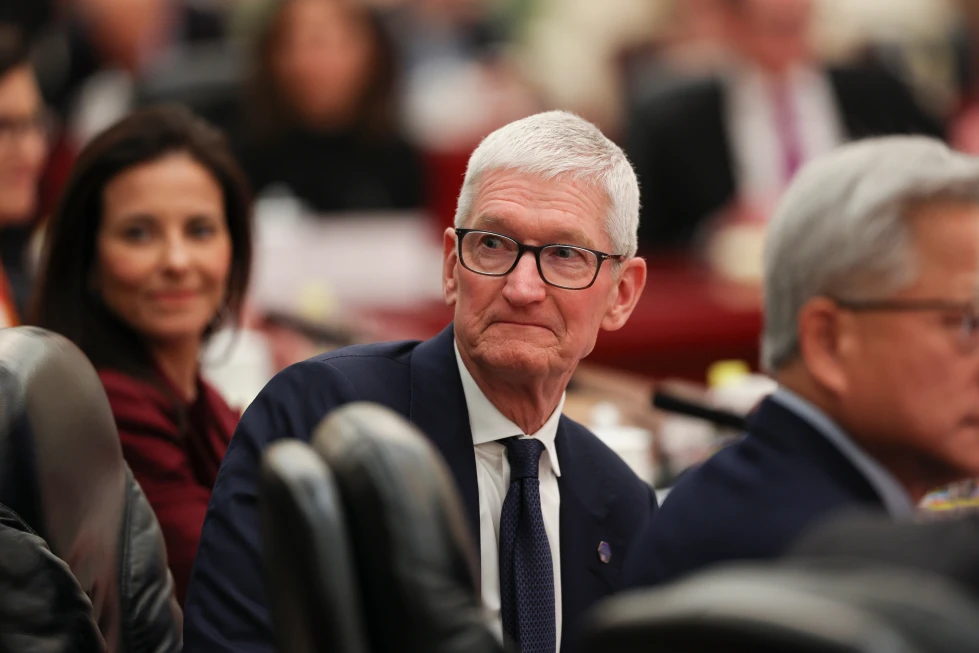
Apple expected to unveil new AI features at last developers conference with CEO Tim Cook
2026-06-08 :: :: apnews